
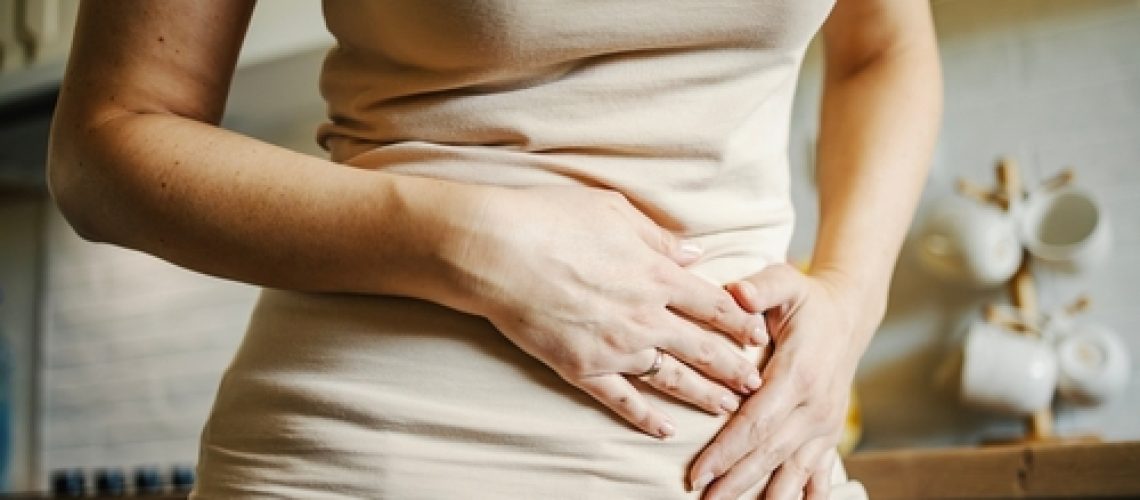
Bloating often gets blamed entirely on diet. However, the actual picture can be more complex than what you ate that day. Osteo Health Calgary offers Visceral Therapy as one approach considering this broader complexity.
This post explores why bloating doesn’t always trace back to a single dietary cause alone.
Why Diet Becomes the Default Explanation
Food feels like the most obvious, immediate connection to digestive discomfort. Specifically, people naturally trace bloating back to whatever they ate most recently before symptoms appeared.
Therefore, this assumption shapes how most people first respond, often adjusting diet before considering other possible contributing factors entirely.
In addition, diet genuinely does affect digestive comfort significantly. However, this doesn’t mean every instance of bloating traces back exclusively to food choices alone.
What Visceral Therapy’s Listed Concerns Actually Include
According to Osteo Health Calgary’s listed concerns, abdominal bloating appears alongside constipation, gastroesophageal reflux, and irritable bowel syndrome as related, connected concerns.
Furthermore, menopause-related issues appear in this same list. Therefore, this suggests bloating sometimes connects to hormonal patterns, not exclusively to dietary choices made that particular day.
Menstrual pain and pelvic pain appear among the listed concerns too. Consequently, this broader grouping suggests bloating sometimes relates to cyclical or hormonal patterns rather than diet alone.
Why Post-Surgical History Sometimes Matters
Post-surgical restrictions appear among Visceral Therapy’s listed concerns specifically. Therefore, previous surgical history sometimes factors into ongoing digestive comfort in ways people don’t always immediately connect.
Furthermore, pelvic congestion rounds out the listed concerns as well. This suggests a genuinely broad consideration of factors potentially contributing to abdominal discomfort and bloating.
This combination of listed concerns points toward considering structural and historical factors, not exclusively focusing on what someone ate during any single day.
How This Broader View Helps
Considering bloating alongside constipation, reflux, IBS, hormonal patterns, and post-surgical history offers a more complete picture than diet alone typically provides.
Therefore, Osteo Health Calgary’s Visceral Therapy approach considers this broader pattern, rather than treating bloating as an isolated, purely dietary symptom.
Considering the Whole-Body Osteopathic Perspective
Osteopathy broadly considers how different body systems interconnect and influence each other. Therefore, this perspective provides useful context for symptoms like bloating that don’t always have one simple explanation.
Connecting to Other Whole-Body Approaches
Some people exploring digestive concerns also consider Craniosacral Therapy, given its similarly gentle, whole-body approach to stress and tension that can accompany digestive discomfort.
Why Hormonal Connections Matter
Since menopause-related issues appear among Visceral Therapy’s listed concerns, some people also explore Osteo Health Calgary’s TMJ Treatment Program or Vertigo Treatment Program, given how hormonal patterns sometimes connect across multiple symptoms simultaneously.
Looking Beyond Diet Alone
Bloating deserves consideration beyond just yesterday’s meal choices. Therefore, exploring hormonal, structural, and historical factors offers a more complete understanding for many people experiencing ongoing discomfort.
Osteo Health Calgary helps people consider this broader picture, rather than assuming diet alone explains every instance of digestive discomfort.
If bloating or related digestive discomfort sounds familiar, reach out to Osteo Health Calgary to discuss what you’ve been experiencing.
Frequently Asked Questions
Does bloating always mean I ate something wrong?
Not necessarily. While diet plays a role, factors like hormonal patterns, constipation, reflux, and even post-surgical history can also contribute to bloating.
Can menopause really connect to digestive bloating?
Menopause-related issues appear among the listed concerns for visceral therapy, suggesting hormonal patterns can connect to digestive discomfort, including bloating, for some people.
Why would past surgery affect my digestion now?
Post-surgical restrictions appear among the listed concerns this approach addresses, suggesting previous surgical history can sometimes contribute to ongoing digestive patterns.
Is bloating connected to menstrual or pelvic pain too?
Menstrual pain and pelvic pain appear alongside bloating among the listed concerns, suggesting these symptoms sometimes relate to similar underlying patterns.
Should I still pay attention to my diet if other factors contribute too?
Yes. Diet remains relevant alongside other factors. A broader perspective considers multiple contributors rather than dismissing any single one entirely.