height="1" width="1" src="https://www.facebook.com/tr?id=974289589738309&ev=PageView &noscript=1"/
Ultrasound therapy

ULTRASOUND THERAPY

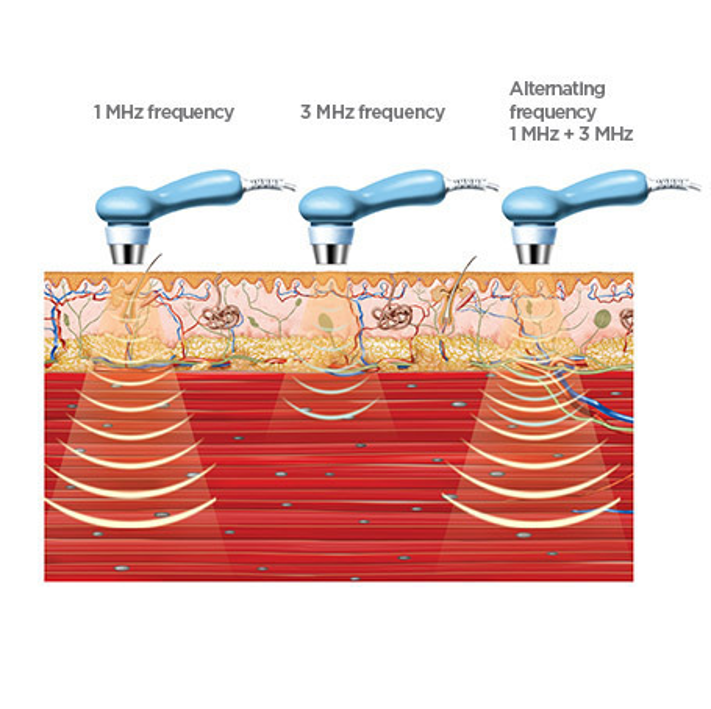
Using ultrasound therapy is an effective way to decrease muscle spasms or reduce pain. Ultrasound therapy is based on the ultrasound waves penetrating deep through human soft tissues. It stimulates cell membranes and enhancing the cell repair response.

Generally, ultrasound is a mechanical wave generated by oscillations of a crystal placed in the ultrasound applicator. The oscillations are transferred from the applicator to the body surface and deeper into the tissue using a contact means, such as gel. The main effects include the deep heating to soft tissues in the body and in-depth micro massage. These tissues include muscles, tendons, joints, and ligaments.

Ultrasound treatment mechanism

THERAPEUTIC EFFECTS

  • Reduction of pain
  • Speeding up of the rate of tissue healing
  • Softening of scar tissues
  • Increasing of mobility of soft tissues
  • Reduction of inflammation

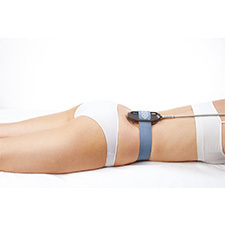
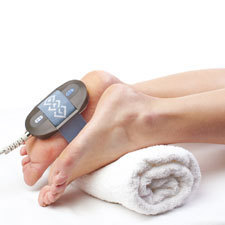
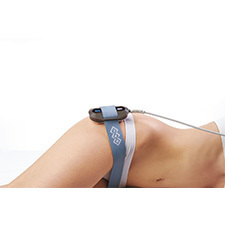
COMMON APPLICATIONS

FAQ

Therapeutic ultrasound uses high-frequency sound waves (typically 1–3 MHz) that penetrate deep into tissue, creating micro-vibrations at the cellular level. These vibrations generate therapeutic heat in the target tissue and stimulate cellular activity, promoting tissue repair, reducing inflammation, and breaking down scar tissue. Unlike surface heat (from hot packs), ultrasound reaches deep structures — tendons, ligaments, bursae — that are difficult to treat with other methods.
No. Diagnostic ultrasound (used in medical imaging) uses lower frequencies to create pictures of internal structures. Therapeutic ultrasound uses higher frequencies and intentionally generates heat and vibration to promote healing. They’re different applications of the same technology — think of it like how low-volume sound is used for hearing versus high-volume sound for breaking things apart.
Therapeutic ultrasound is generally painless. You may feel mild warmth and a gentle buzzing or tingling sensation during treatment. If you have significant pain in the area being treated, you might feel some discomfort as we work over the injured tissue, but this is usually tolerable. We adjust intensity based on your comfort level. Most patients find ultrasound therapy relaxing.
For soft tissue injuries like muscle strains and ligament sprains, 6–8 sessions over 3–4 weeks typically provide good results. For deeper or more chronic conditions (bursitis, tendinitis, frozen shoulder), 10–12 sessions may be needed. Sessions are usually 2–3 times per week, each lasting 5–10 minutes depending on the area. Results are cumulative, with most patients noticing improvement by session 4–6.
Ultrasound therapy is particularly effective for deep tissue injuries, tendinitis (inflammation of tendons), bursitis (inflamed bursae), muscle strains, ligament sprains, and chronic soft tissue pain. It’s excellent for conditions that don’t respond well to surface treatments like massage or heat therapy. Ultrasound excels at reaching and healing structures deep within the body — the rotator cuff, Achilles tendon, deep hip muscles — that other modalities can’t easily access.
Many patients feel improvement within 2–3 sessions, especially reduced pain and increased mobility. Noticeable tissue healing and functional improvement typically occur by session 6–8. Significant pain reduction and restored mobility usually happen by session 10–12. Timeline depends on how chronic your injury is and how your tissue responds to the vibration and heat stimulation.
Yes — frozen shoulder (adhesive capsulitis) responds very well to therapeutic ultrasound. The condition involves scar tissue and inflammation deep in the shoulder joint capsule, which is difficult to access with massage or manual therapy alone. Ultrasound penetrates deep into the joint, breaks down scar adhesions, reduces inflammation, and stimulates healing. Combined with gentle movement exercises and osteopathy, ultrasound significantly accelerates frozen shoulder recovery.
Absolutely. Ultrasound therapy works excellently alongside massage therapy, osteopathy, acupuncture, stretching programs, and strengthening exercises. In fact, combining ultrasound with hands-on therapy often produces faster healing. Many Calgary patients see best results when ultrasound is used to reduce deep inflammation, then followed by osteopathy or massage to restore mobility and muscle function. At Osteo Health, we design integrated treatment plans using ultrasound with other modalities for maximum effectiveness.