OSTEOPATHY
Low back and neck pain are the most common reasons Calgary patients visit osteopaths. Whether from poor posture, desk jobs, sports injuries, or age-related changes, these conditions often persist long after initial injury because the underlying movement dysfunction remains.
Manual osteopathy targets the root cause: restricted joints, tight muscles, fascial restrictions, and postural imbalances that perpetuate pain. Unlike general massage or physiotherapy that focus on a single area, osteopathy assesses your entire spinal structure — how your pelvis sits, how your thoracic spine moves, how your head sits on your neck — because imbalances in one area cascade down the kinetic chain.
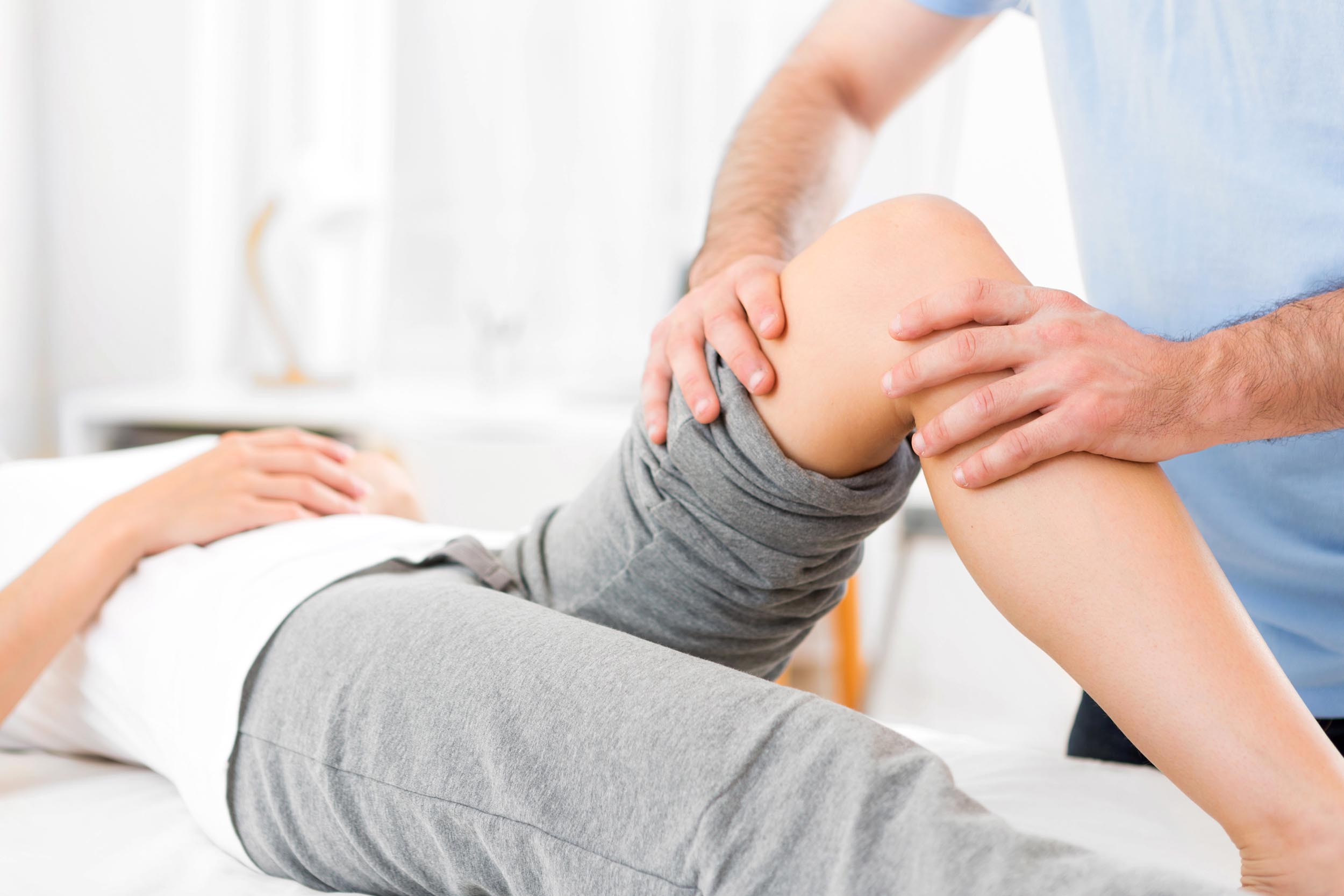
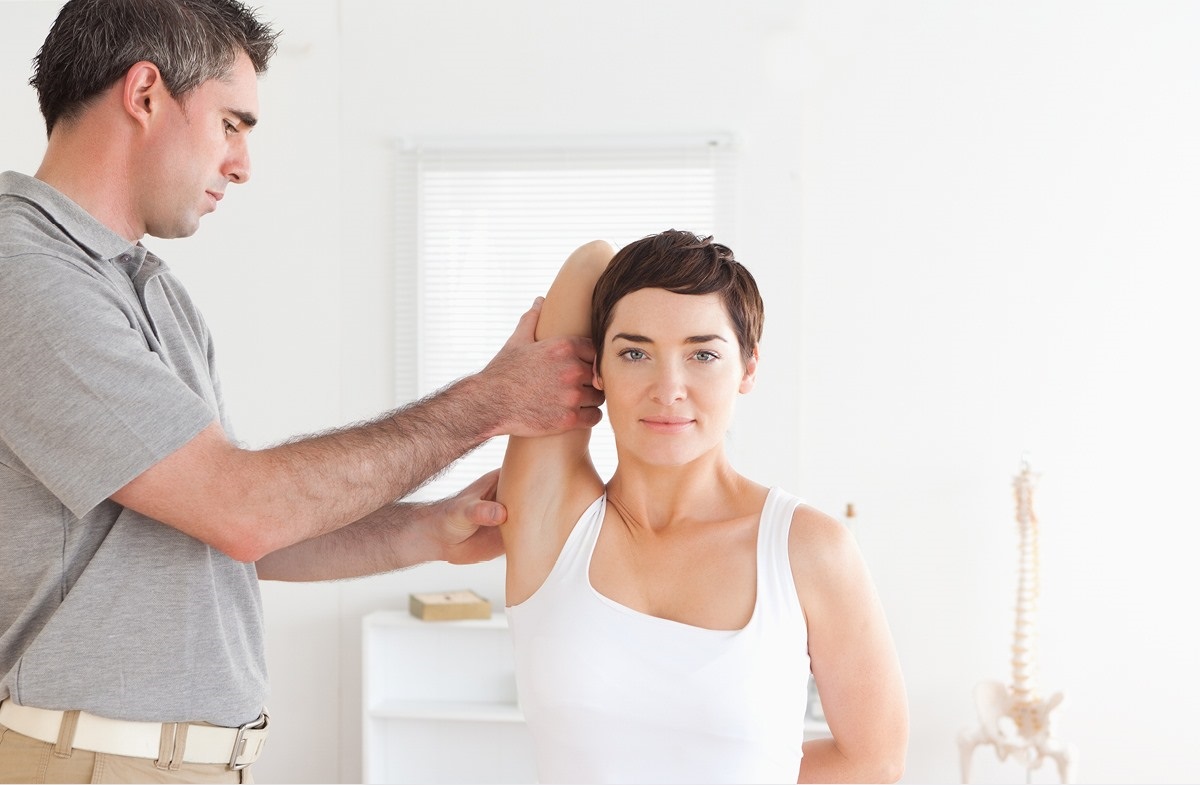
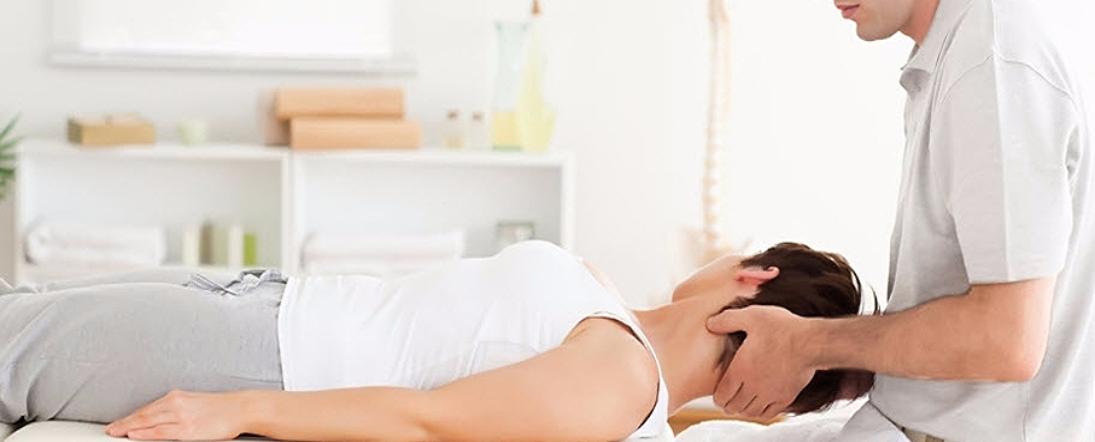
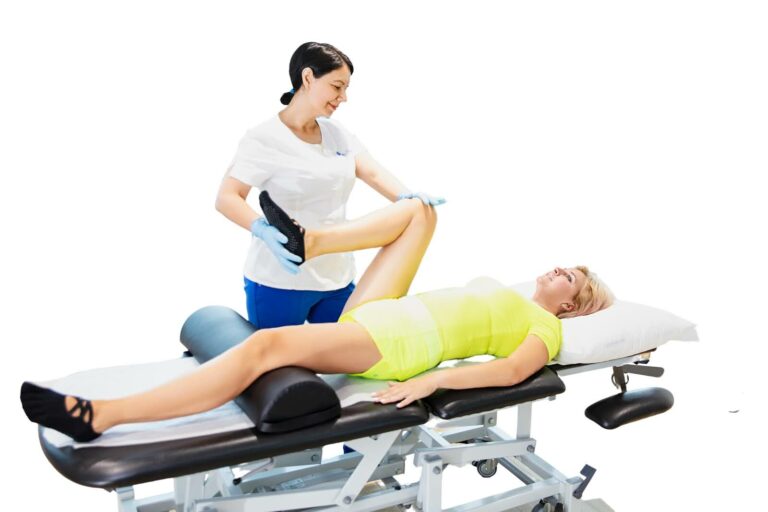
Our osteopaths use hands-on techniques including soft tissue release, joint mobilization, muscle energy techniques, and craniosacral work to restore proper alignment and movement. Many Calgary patients with chronic low back pain find relief in 3–6 sessions, especially when combined with stretching and postural awareness.
The key difference: osteopathy doesn’t just treat pain symptoms — it restores the mechanical dysfunction that caused the pain in the first place, reducing the likelihood of recurrence.
THERAPIES
All about structural osteopathy
In this article we explain what structural osteopathy is and the issues it can help.
What is visceral therapy?
This article takes a look at visceral therapy, a gentle manipulation technique that focuses on your organs

How could craniosacral therapy help me?
We explain how craniosacral therapy – gentle manipulations of the skull, sacrum and spinal column – can treat a range of conditions.
THERAPEUTIC EFFECTS
- Reduced tension in the body
- Reduced pain and stiffness in muscles and joints
- Support of spinal posture
- Increased blood circulation and healing
- Improved joint mobility
- Relief of tension in the central nervous system
- Promotes a feeling of well-being
- Optimization of blood and lymph supply to the internal organs
INDICATIONS
- Musculoskeletal issues: bursitis, tendonitis, muscle sprain, strain, disks pathology, joints degenerations, etc.
- Respiratory issues: recurrent colds, sinusitis, chronic cough, breathing difficulties, etc.
- Digestive issues: irritable bowel, constipation, heartburn, etc.
- Urinary disorders: incontinence, menstrual cramps, etc.
- Pregnancy issues: back pain or sciatica, TMJ pain, swollen legs, etc.
- Pediatric issues: developmental issues, learning disabilities, growth disturbances, etc.
- Sleep issues: insomnia, sleep apnea, restless leg syndrome, etc.
- Prevention of injuries and dysfunctions in the body, which may cause future discomfort.
- Stress related issues: tension headaches, exhaustion, muscle tension, aches and pains, etc.
- General fatigue.