
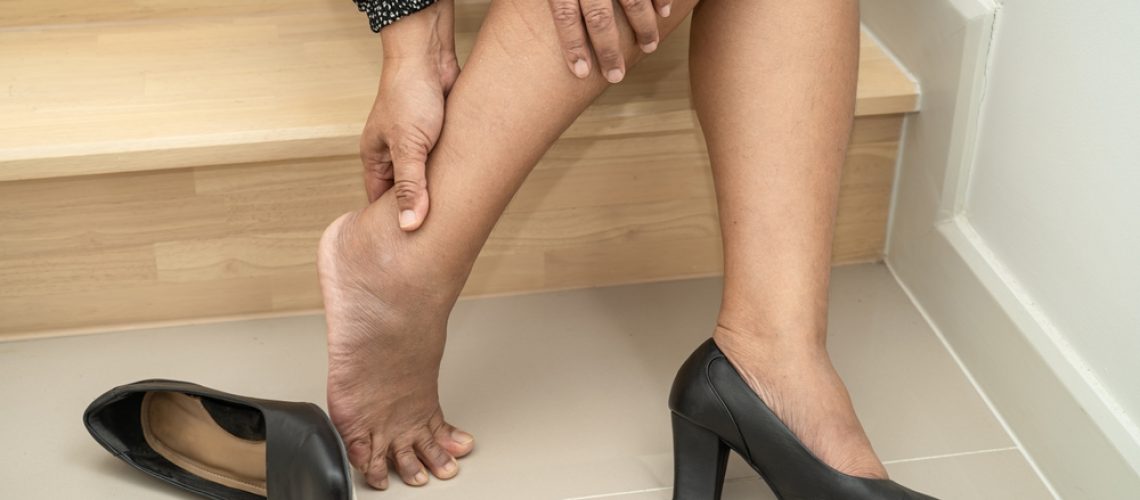
Osteo Health provides heel spur treatment Calgary residents rely on when that sharp, first-step heel pain will not fade. If your heel screams when you get out of bed, you are not alone. Heel spur treatment Calgary clients seek usually blends hands-on therapy, targeted exercises and smart footwear. This guide explains what actually helps.
What a Heel Spur Really Is
A heel spur is a small deposit of calcium on the underside of the heel bone. It often forms where the plantar fascia, the thick band of tissue under your foot, attaches. Many people assume the spur itself causes the pain. In truth, it usually does not.
The real culprit is often the surrounding tissue. Tightness and irritation in the plantar fascia create most of the discomfort. That is good news, because soft tissue responds well to treatment. You can learn more in our guide to the difference between heel spurs and plantar fasciitis.
Why Your Heel Hurts Most in the Morning
That brutal first step has a simple explanation. Overnight, the fascia tightens while you rest. When you stand, it suddenly stretches and pulls on the heel. The result is a stab of pain that eases as you move.
This morning pattern is a classic sign. We explain it further in our article on why heel pain peaks in the morning. Spotting the pattern early makes treatment more effective.
Common Causes and Risk Factors
Heel pain rarely appears out of nowhere. Several everyday factors raise your risk. Knowing them helps you prevent a relapse later.
- Long hours standing on hard floors
- Worn-out or unsupportive shoes
- A sudden jump in running or walking distance
- Tight calves and limited ankle movement
How We Approach Heel Spur Treatment in Calgary
Effective care targets the tissue, not just the symptom. At Osteo Health, treatment begins with a full assessment of your foot, ankle and gait. We look at how you move and what strains your heel. Only then do we build a plan.
Hands-on osteopathic techniques help release the tight fascia and calf muscles. For stubborn cases, we may recommend shockwave therapy, which uses pressure waves to stimulate healing in the tissue. We pair this with a home stretching routine to keep progress going.
Comparing Your Options
There are many ways to tackle heel pain. Some help for good, while others only mask the ache. The table below sorts the common choices.
| Approach | What it does | Best for |
|---|---|---|
| Stretching and calf work | Loosens the fascia and lowers strain | Daily prevention and recovery |
| Supportive footwear | Cushions and supports the arch | Standing and walking all day |
| Hands-on therapy | Releases tight tissue directly | Ongoing or stubborn pain |
| Shockwave therapy | Stimulates healing in the tissue | Chronic cases that resist rest |
Most people do best with a mix of these. Rest alone rarely fixes the root cause. For general medical background, the Mayo Clinic plantar fasciitis overview is a reliable starting point.
Simple Steps You Can Start Today
You do not have to wait for your first visit to help yourself. A few habits ease strain right away. Roll your foot over a frozen water bottle to calm irritation. Stretch your calves against a wall before you stand each morning.
Swap flat, worn shoes for supportive ones. Avoid walking barefoot on hard floors for now. These small changes reduce the daily pull on your heel. Combined with professional heel spur treatment Calgary care, they speed things up.
When to Book an Assessment
If your heel pain has lasted more than a couple of weeks, do not push through it. Early care usually means faster recovery. Ongoing pain can change how you walk and strain other joints.
To see how our clinic supports foot and heel recovery, visit our plantar fasciitis and heel spur page. A short assessment can reveal exactly what your heel needs to heal.
Preventing Heel Pain From Coming Back
Recovery is only half the job. Keeping heel pain away is the other half. Once your symptoms settle, a few habits protect your progress. Strong, flexible feet handle daily strain far better.
Keep stretching your calves and feet even after the pain fades. Replace running shoes before they wear flat, usually every 500 to 800 kilometres. Build up new activity slowly rather than in sudden jumps. These simple rules prevent most relapses.
Good heel spur treatment Calgary care includes this prevention plan. At Osteo Health, we do not just treat the flare-up and send you off. We give you the tools to stay pain-free. That long-term focus is what clients value most.
Why Early Care Pays Off
Heel pain has a habit of spreading. When your foot hurts, you change how you walk. That shift can strain your knees, hips and lower back over time. What starts as a small heel issue can become a whole-body problem.
Acting early breaks that chain. Prompt heel spur treatment Calgary residents seek tends to be shorter and simpler than late care. A few weeks of focused work often beats months of struggle. If your heel has been sore for more than a couple of weeks, book an assessment now rather than waiting.
What Recovery Usually Looks Like
Most people want to know how the journey unfolds. In the first week or two, the focus is calming the irritated tissue. Gentle work and daily stretching start to ease that morning stab. Small wins arrive early and keep you motivated.
Over the following weeks, strength and flexibility return. You walk further with less pain. Your practitioner adjusts the plan as you improve. By the end, the goal is a heel that handles normal life without complaint. Steady effort, not quick fixes, is what gets you there.
Book With Osteo Health in South Calgary
Ready to get started? Osteo Health welcomes new clients across Calgary and the surrounding communities.
- Phone: 403-814-0404
- Address: Unit 125, 290 Midpark Way SE, Calgary, AB T2X 1P1
- Hours: Monday to Saturday, 9:00 am to 8:00 pm
Call today to book an assessment and take the first step toward feeling better.
Frequently Asked Questions
What is a heel spur?
A heel spur is a small growth of calcium that forms on the heel bone, often where tissue attaches. It can develop alongside plantar fasciitis. Many spurs cause no pain at all, so the real problem is usually the surrounding tissue.
Do I need surgery for a heel spur?
Surgery is rare and usually a last resort. Most people improve with conservative care such as stretching, footwear changes and hands-on therapy. At Osteo Health, we focus on non-surgical options first.
How long does recovery take?
Recovery depends on how long you have had symptoms and how consistent you are with care. Many people notice steady progress over several weeks. Chronic cases can take a few months of regular treatment.
Can I keep exercising?
Often yes, with modifications. Low-impact activity like swimming or cycling may be gentler than running. Your practitioner will help you adjust your routine so you stay active without making things worse.