
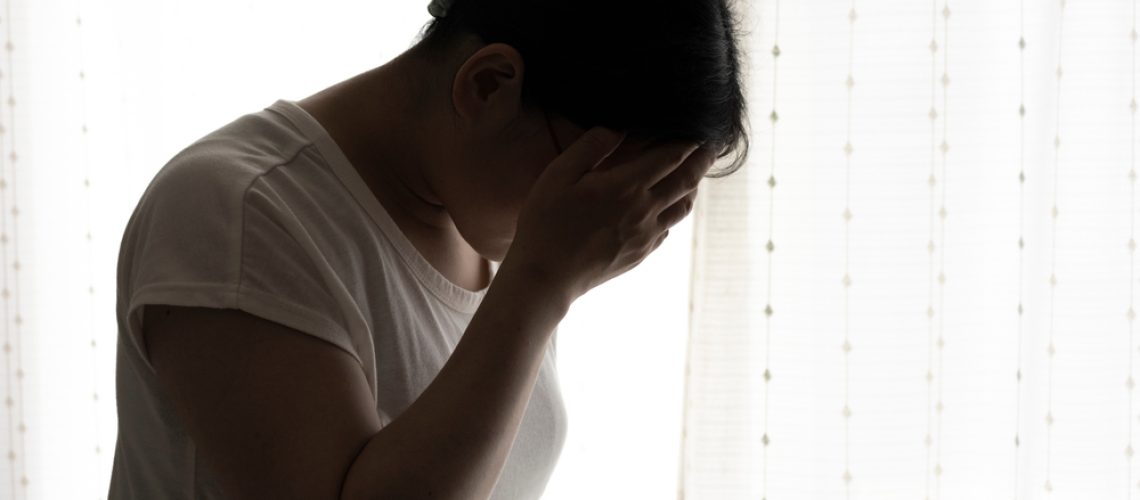
Stress doesn’t just feel emotional. It manifests physically in your body constantly. Your shoulders tighten. Jaw clenches. Breathing shallows. Stomach tightens. Back muscles contract. Your entire body reflects your mental state. Understanding this mind-body connection opens pathways to real stress relief.
Your Nervous System Controls Stress Response
Your nervous system operates in two modes: sympathetic (fight-or-flight) and parasympathetic (rest-and-digest). Chronic stress keeps your nervous system in sympathetic overdrive. Your body remains activated even when no real threat exists. This perpetual activation locks stress into your physical structure.
Professional craniosacral therapy shifts your nervous system toward parasympathetic dominance. Gentle techniques calm activation patterns. Your body releases stress-induced tension. This happens at a deeper level than conscious relaxation can achieve.
Stress Tension Accumulates Progressively
Day one stress creates minor muscle tension. You might not notice. Day ten creates noticeable tightness. Day one hundred creates chronic pain patterns. Stress doesn’t disappear when the stressful event ends. Unless released physically, stress remains locked in your tissues.
Consequently, chronic stress sufferers experience pain, headaches, and dysfunction long after stress resolves. Their bodies still hold the tension pattern. Professional treatment releases this accumulated stress, allowing recovery.
Where Does Your Body Store Stress?
Different people store stress in different places. Some experience neck and shoulder tension. Others feel lower back pain. Some develop jaw clenching. Still others experience digestive issues and bloating. Understanding your personal stress pattern helps targeted treatment.
Osteo Health Calgary’s practitioners identify exactly where your body holds stress. Osteopathy releases these specific tension patterns. Combined with nervous system calming from craniosacral therapy, treatment creates comprehensive stress relief.
Breathing Patterns Perpetuate Stress
Stress triggers shallow breathing automatically. Shallow breathing keeps your nervous system activated. This creates a vicious cycle: stress causes shallow breathing; shallow breathing maintains stress activation. Breaking this cycle requires intentional breathing pattern correction.
Visceral therapy addresses breathing restriction directly. Releasing tension in your diaphragm and chest restores natural deep breathing. Proper breathing activates parasympathetic response. Your body relaxes. Stress diminishes.
Muscle Tension From Chronic Stress Needs Release
Months or years of stress create stubborn muscle tension. Your muscles have “learned” to stay tight. Conscious relaxation techniques don’t penetrate this deep holding pattern. Professional treatment releases what conscious effort cannot.
Massage therapy breaks up stress-related muscle tension. Combining massage with osteopathy and craniosacral therapy creates multilayered stress release. Your body finally lets go.
Digestive Issues From Stress Require Special Attention
Chronic stress severely impacts digestion. Your gut tightens. Gastric secretions decrease. Bloating, constipation, and acid reflux develop. These aren’t just psychological—stress creates real physical digestive dysfunction. Treating only your emotions leaves physical patterns intact.
Visceral therapy releases abdominal tension and restores digestive function. When your gut relaxes, your entire nervous system shifts toward parasympathetic dominance. This creates real stress relief beyond meditation or breathing exercises.
Traditional Approaches Complement Modern Treatment
Acupuncture treatment has released stress for thousands of years. Modern science confirms its effectiveness for nervous system regulation. Combining acupuncture with osteopathy and craniosacral therapy provides comprehensive stress management from multiple traditions.
Your Stress Release Plan
Osteo Health Calgary designs personalized stress relief programs. Your practitioner determines which approaches address your specific stress patterns. Regular treatment prevents stress from accumulating into chronic dysfunction. Call 403-814-0404 to start your stress release journey. Your body is ready to let go—professional guidance helps it happen.
FAQs
Q: Why does stress cause physical tension?
A: Stress triggers fight-or-flight activation automatically. Your muscles contract, breathing shallows, and tension accumulates. Prolonged stress keeps this activation ongoing. Your body literally tightens from chronic activation. Professional craniosacral therapy and osteopathy release this locked-in tension physically.
Q: Can meditation alone relieve stress-locked tension?
A: Meditation helps but doesn’t release physically held tension patterns. Stress accumulates in your tissues at deeper levels than conscious relaxation addresses. Professional treatment combines with meditation for complete stress release. Osteo Health Calgary uses physical modalities meditation cannot replicate.
Q: How long until stress-related tension releases?
A: Acute stress tension often releases within 1-2 sessions. Chronic patterns held for months or years require longer treatment—typically 6-12 sessions. Your practitioner develops realistic timelines matching your specific situation. Consistency accelerates progress.
Q: Does stress relief treatment help anxiety?
A: Yes. Many anxiety patients experience significant improvement through treatment calming their nervous system. As your nervous system shifts from stress activation toward parasympathetic rest, anxiety naturally decreases. Physical treatment addresses the nervous system directly.
Q: What’s the difference between massage and craniosacral therapy for stress?
A: Massage releases muscle tension from stress. Craniosacral therapy calms your nervous system directly—addressing the activation pattern causing tension. Combined, they work synergistically. Your practitioner recommends which approach best fits your stress patterns.