
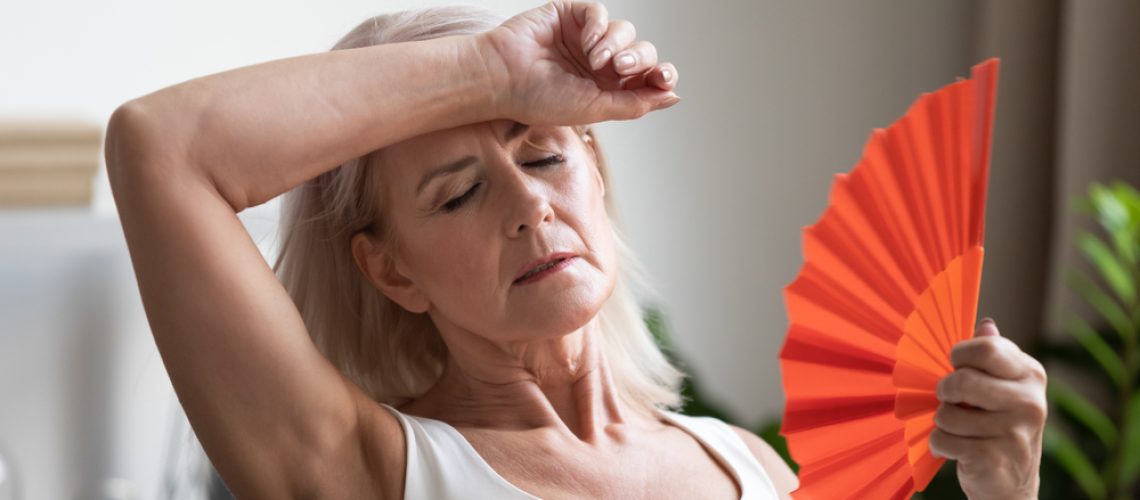
Menopause brings unexpected physical changes. Joint pain appears where you’ve never experienced it. Existing pain intensifies dramatically. Your knees, hips, shoulders, and wrists suddenly ache. Most women don’t understand why menopause triggers widespread joint dysfunction.
Hormones Control More Than You Realize
Estrogen affects every tissue in your body, including joints. Estrogen naturally decreases during menopause, creating a cascading effect throughout your system. Your joints lose lubrication. Inflammation increases. Tissue flexibility decreases. Pain develops or worsens significantly.
Furthermore, estrogen decline increases overall inflammation. Your entire body becomes more reactive to stress, activity, and movement. This inflammatory state makes existing pain worse and creates new pain patterns. Understanding this hormonal-structural connection opens pathways to targeted treatment.
Inflammation During Menopause Requires Specific Treatment
Standard pain management often fails for menopausal joint pain because it doesn’t address the hormonal-inflammatory component. Anti-inflammatory medications provide temporary relief only. Professional osteopathy addresses both hormonal stress and structural pain simultaneously.
Osteo Health Calgary’s practitioners understand menopause-specific pain patterns. They treat structural dysfunction while reducing inflammation naturally. Combined approaches work better than single interventions for menopausal symptoms.
Visceral Connection to Hormonal Balance
Your organs directly affect hormonal function. During menopause, your ovaries stop producing estrogen, but other tissues continue adapting. Supporting organ function through visceral therapy helps your entire hormonal system transition more smoothly.
Releasing tension in your abdominal organs reduces overall inflammation. Better organ function supports natural hormone regulation. This holistic approach addresses menopause at its source rather than just treating pain symptoms.
Muscle Loss During Menopause Affects Joint Stability
Menopause triggers muscle loss acceleration. Your joints lose muscular support. Without adequate muscle, joints experience increased stress during normal activity. Pain develops or increases. Massage therapy combined with movement guidance addresses this muscle loss component.
Therapeutic exercises from Osteo Health Calgary rebuild supporting muscle. Combined with professional massage releasing tension, this prevents the joint dysfunction so common during menopause. Prevention proves easier than treating established pain.
Nervous System Changes During Menopause
Hormonal shifts affect your entire nervous system. Many women experience anxiety, sleep disruption, and heightened stress sensitivity during menopause. These nervous system changes amplify pain perception. Your joints hurt more because your nervous system is more activated.
Craniosacral therapy calms nervous system activation during hormonal transition. Reduced nervous system activation decreases pain perception. Treatment addresses the neurological component menopause creates.
Traditional and Modern Approaches Work Together
Acupuncture treatment has treated menopausal symptoms for centuries. Modern research confirms its effectiveness for joint pain, hot flashes, mood changes, and sleep disruption. Combining acupuncture with osteopathy and massage creates comprehensive menopausal support.
Osteo Health Calgary integrates traditional and modern approaches. Your practitioner selects treatments addressing your specific menopausal symptoms. Personalized plans work better than generic menopausal solutions.
Posture Changes During Menopause
Many women develop postural changes during menopause—forward head posture, rounded shoulders, lower back arching. These postural shifts create joint stress. Your neck and lower back experience increased pain. Professional postural correction prevents these adaptation patterns.
Osteopathy corrects developing postural dysfunction. Early intervention prevents the chronic pain patterns that become established during menopause. Addressing posture now prevents years of joint pain.
Support Throughout Your Transition
Menopause is a transition, not an endpoint. Your body adapts to new hormonal reality. Professional support during this adaptation prevents long-term pain development. Treatment works best when started early—as symptoms first appear—rather than waiting until pain becomes chronic.
Contact Osteo Health Calgary at 403-814-0404 for menopausal symptom support. Your practitioner understands menopause-specific pain patterns. Targeted treatment makes your transition smoother and less painful. You deserve support during this significant life change.
FAQs
Q: Why does menopause cause joint pain?
A: Estrogen decline reduces joint lubrication and increases inflammation throughout your body. Existing pain intensifies. New pain patterns develop. Osteo Health Calgary addresses both hormonal stress and structural pain. Combined treatment approaches work better than single interventions for menopausal joint pain.
Q: Can joint pain during menopause improve naturally?
A: Some adaptation occurs naturally over time. However, professional treatment accelerates improvement and prevents chronic pain development. Early intervention prevents pain from becoming established. Osteopathy and massage help your body adapt to hormonal changes more smoothly.
Q: Is menopause joint pain permanent?
A: No. Treatment addresses the underlying hormonal and structural components. Many women experience significant pain reduction within 6-8 weeks of consistent professional care. Your body continues adapting; treatment supports this process. Permanent pain isn’t inevitable.
Q: Should I expect joint pain during menopause?
A: Many women experience it, but it’s not universal. Early professional support often prevents pain from developing. If you’re experiencing unusual joint discomfort, contact Osteo Health Calgary early. Prevention and early intervention work better than waiting until pain becomes severe.
Q: How does acupuncture help menopausal joint pain?
A: Acupuncture reduces inflammation, supports nervous system balance, and promotes circulation to affected joints. It addresses the hormonal component of menopausal pain that other treatments sometimes miss. Combined with osteopathy and massage, acupuncture creates comprehensive relief.