
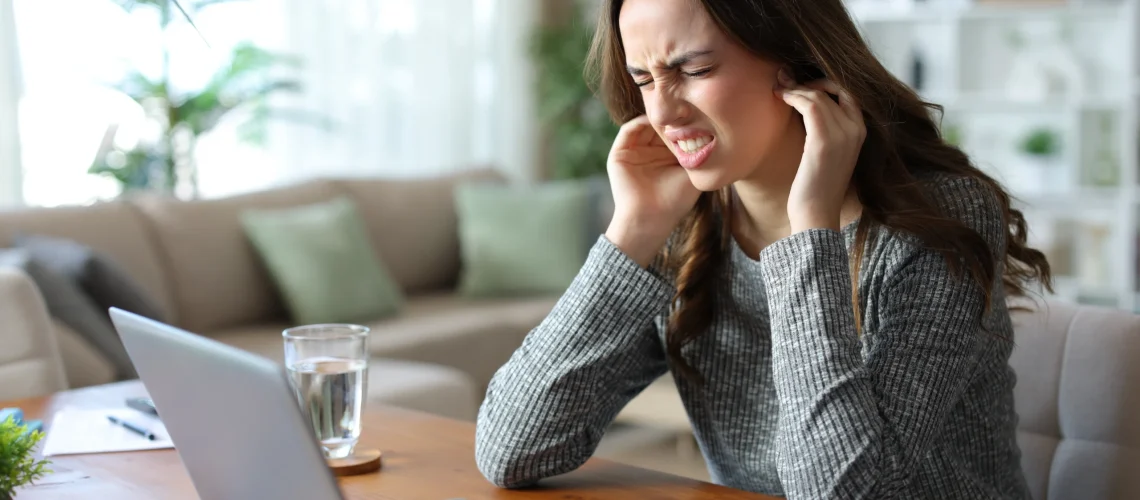
Jaw pain often arrives without an obvious cause. No injury, no clear trigger, just persistent tension that builds gradually. Osteo Health Calgary sees this pattern frequently, and clenching often plays a quiet role.
This post explains how unnoticed clenching connects to jaw tension, and what people commonly experience.
Why Clenching Often Goes Unnoticed
Clenching frequently happens during sleep, when there’s no conscious awareness of the habit at all. Specifically, this means many people clench for hours without realizing it’s happening.
Therefore, the resulting tension shows up the next day, often without any obvious connection to nighttime habits. Consequently, people sometimes search for other explanations entirely.
In addition, stress can drive daytime clenching too, often during focused work or moments of tension. This pattern can become so habitual that it stops registering consciously at all.
What This Pattern Commonly Involves
According to Osteo Health Calgary’s listed concerns, jaw clicking or locking often accompanies this kind of tension pattern. Specifically, these mechanical symptoms frequently develop alongside ongoing clenching habits.
Furthermore, tension headaches commonly appear alongside jaw tightness. Therefore, people experiencing both often don’t immediately connect the two, since headaches feel like a separate issue entirely.
Bite imbalance sometimes factors in too. Consequently, this combination of clicking, headaches, and bite changes often points toward an underlying pattern involving sustained jaw muscle tension.
Why Grinding Often Accompanies Clenching
Grinding and clenching frequently occur together, particularly during sleep. Specifically, this combination places sustained, repetitive strain on jaw muscles and surrounding structures throughout the night.
Therefore, people sometimes wake with jaw soreness or stiffness, even without remembering any specific grinding or clenching episode from their sleep the night before.
This pattern can develop following specific events too. For example, post-dental, orthodontic, or surgical procedures sometimes trigger or intensify clenching and grinding patterns afterward.
How This Connects to the Wider Body
Jaw tension rarely exists in complete isolation from the rest of the body. Specifically, the jaw connects functionally and structurally to the neck and upper shoulders in meaningful ways.
Therefore, addressing jaw tension sometimes involves looking at this broader connection, rather than focusing exclusively on the jaw joint itself in isolation.
Osteo Health Calgary’s TMJ Treatment Program addresses this pattern specifically, considering clenching, grinding, bite imbalance, and related tension together.
Why Some People Explore Craniosacral Approaches Too
Some people experiencing TMJ tension also notice stress or nervous system overload alongside their jaw symptoms. Specifically, Craniosacral Therapy addresses TMJ tension, clenching, and jaw imbalance as part of its listed focus areas.
This gentle, hands-on approach considers the broader pattern of tension throughout the body, rather than isolating jaw symptoms from everything else happening physically.
Considering the Whole-Body Picture
Osteopathy more broadly addresses musculoskeletal conditions throughout the body. Therefore, this whole-body perspective sometimes helps contextualize jaw tension within someone’s overall physical patterns.
Recognizing This Pattern in Yourself
If you wake with jaw soreness, notice clicking, or experience tension headaches without an obvious cause, unnoticed clenching might be worth considering as a contributing factor.
Osteo Health Calgary helps people explore this connection, offering structured support for jaw tension rather than addressing symptoms in isolation without broader context.
If jaw tension or related symptoms sound familiar, reach out to Osteo Health Calgary to discuss what you’ve been experiencing.
Frequently Asked Questions
How do I know if I’m clenching my jaw without realizing it?
Waking with jaw soreness, stiffness, or headaches often suggests nighttime clenching. A professional assessment can help confirm whether this pattern matches your specific symptoms.
Can stress really cause jaw clenching during the day?
Yes, daytime stress commonly contributes to clenching, often during focused tasks or tense moments. This habit can become unconscious over time without active awareness.
Does jaw clicking always mean something serious is wrong?
Clicking is a commonly reported symptom alongside clenching and tension patterns. However, any persistent or concerning symptoms deserve professional assessment for proper evaluation.
Why do I sometimes get headaches along with jaw tension?
Tension headaches frequently accompany jaw clenching and grinding patterns, since sustained muscle tension in this area can radiate outward toward the head.
Can dental work trigger jaw tension afterward?
Yes, post-dental, orthodontic, or surgical procedures sometimes trigger or intensify clenching and grinding patterns as the jaw adjusts afterward.