
Many people in Calgary deal with daily puffiness, fatigue, swelling, or bloating without realizing the lymphatic system could be involved. The body depends on the lymphatic system to move excess fluid, remove waste, and support immune function. However, when lymph flow slows down, fluid and inflammation may begin to build up in different areas of the body.
At Osteo Health – Osteopathy Clinic in Calgary, clients often describe feeling heavy, sluggish, swollen, or constantly inflamed before trying lymphatic drainage therapy. In many cases, the body simply needs help improving lymph circulation and fluid movement naturally.
What Does the Lymphatic System Do?
The lymphatic system works alongside the circulatory and immune systems. It moves lymph fluid through a network of vessels and lymph nodes throughout the body. Therefore, the system plays an important role in removing toxins, supporting immunity, balancing fluids, and helping the body recover from inflammation or stress.
Unlike blood circulation, the lymphatic system does not have a pump like the heart. Instead, it relies on breathing, movement, muscle activity, and healthy circulation to keep fluid moving properly. As a result, stress, inactivity, surgery, hormonal changes, and inflammation may slow the process down over time.
When lymph flow becomes sluggish, the body may begin showing signs that something feels off even if medical tests appear normal.
Common Signs of a Sluggish Lymphatic System
Persistent Puffiness and Water Retention
One of the most common signs is swelling or puffiness that seems to appear regularly. For example, some people wake up with a swollen face, while others notice tightness in their legs, stomach, hands, or ankles.
Fluid retention may become worse during hormonal changes, long periods of sitting, travel, or stress. Consequently, many people feel uncomfortable even when they are eating well and staying active.
Feeling Bloated Most of the Time
Digestive sluggishness and abdominal bloating are frequently connected to poor lymph movement. In some cases, the body struggles to clear excess fluid efficiently, which can contribute to a heavy or swollen feeling around the stomach area.
Many clients at Osteo Health seek lymphatic drainage because they feel constantly bloated despite making healthy lifestyle changes. In addition, some women notice increased bloating during perimenopause or menopause due to hormone-related fluid retention.
Low Energy and Heaviness
A sluggish lymphatic system may leave people feeling drained or foggy throughout the day. Although fatigue can have many causes, poor circulation and inflammation sometimes contribute to that heavy, tired feeling.
Clients often describe feeling physically weighed down before treatment. However, many report feeling lighter and more refreshed after lymphatic drainage sessions.
Frequent Inflammation
The lymphatic system helps regulate inflammation in the body. Therefore, when fluid movement slows down, inflammation may linger longer than normal.
For instance, some individuals notice chronic puffiness, sore tissues, sinus congestion, or swelling after exercise or travel. Meanwhile, others experience prolonged recovery after illness or stress.
Slow Recovery After Surgery or Exercise
Post-surgical swelling and sports recovery are also closely connected to the lymphatic system. After surgery or intense physical activity, the body produces additional fluid and inflammation as part of the healing process.
If lymph movement is reduced, swelling may remain longer than expected. Consequently, many people seek lymphatic drainage after medical clearance to support natural recovery and fluid movement.
What Can Slow Down the Lymphatic System?
Several everyday factors may affect lymph circulation over time.
Stress and Poor Sleep
High stress levels may increase inflammation and tension throughout the body. Similarly, poor sleep may affect circulation and recovery processes that support lymph movement.
Sitting for Long Periods
Movement helps stimulate lymph flow naturally. However, long hours at a desk, driving, or inactivity may slow circulation and contribute to swelling or heaviness.
Hormonal Changes
Hormones influence fluid balance throughout the body. As a result, many women notice increased water retention during menstruation, perimenopause, or menopause.
Surgery and Inflammation
The body often produces swelling during recovery. Therefore, surgical procedures and chronic inflammation may place additional strain on the lymphatic system.
What You Can Do to Support Lymphatic Flow
Stay Hydrated
Hydration helps support healthy circulation and fluid movement throughout the body. Drinking enough water may help the lymphatic system work more efficiently.
Move Your Body Regularly
Walking, stretching, and gentle exercise encourage muscle movement that naturally supports lymph circulation. Even small amounts of movement throughout the day can help.
Reduce Stress Levels
Relaxation plays an important role in overall wellness. For example, breathing exercises, quality sleep, and stress management may help reduce inflammation and support recovery.
Consider Lymphatic Drainage Therapy
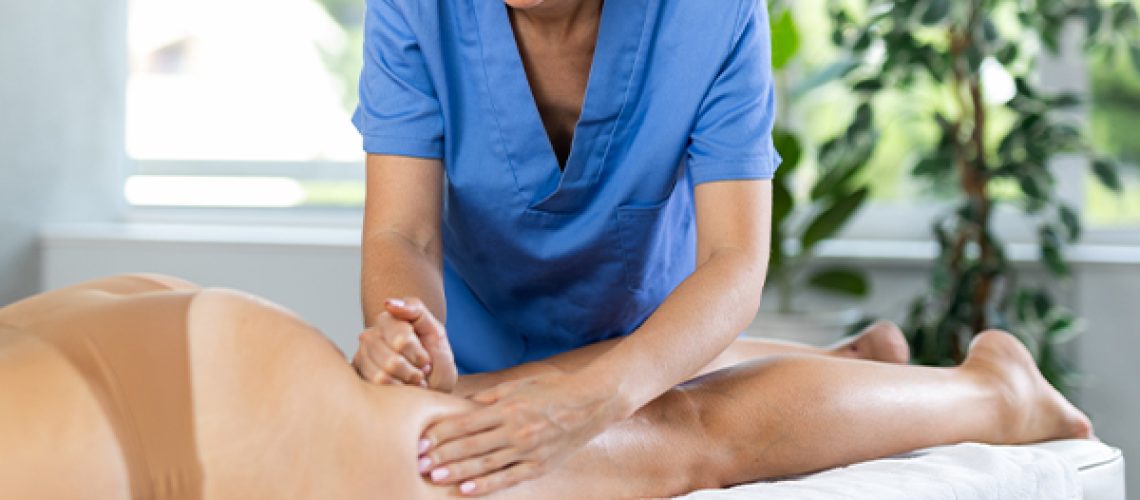
Professional lymphatic drainage therapy may help stimulate fluid movement using gentle rhythmic techniques. At Osteo Health in Calgary, treatment plans are tailored to each person’s symptoms and wellness goals.
Clients commonly book lymphatic drainage sessions for:
- Bloating
- Water retention
- Chronic inflammation
- Hormonal puffiness
- Post-surgical swelling
- Sinus congestion
- Fatigue
- Sports recovery
Many people notice reduced puffiness and improved comfort after treatment. In addition, clients often describe feeling calmer and more energized following their sessions.
Why Calgary Clients Visit Osteo Health
Our clinic provides personalized lymphatic drainage therapy in a calm and welcoming environment in South Calgary. We proudly support clients from Midnapore, Shawnessy, Evergreen, Walden, Seton, Mahogany, and surrounding communities.
Our team focuses on hands-on care, personalized treatment plans, and professional support tailored to each individual.
Frequently Asked Questions
How do I know if my lymphatic system is sluggish?
Common signs may include bloating, swelling, puffiness, fatigue, inflammation, sinus congestion, and fluid retention that happens regularly.
Can lymphatic drainage reduce water retention?
Yes. Lymphatic drainage therapy is commonly used to help support fluid movement and reduce puffiness or swelling naturally.
Is lymphatic drainage safe?
Lymphatic drainage is generally gentle and well tolerated. However, treatment suitability depends on your health history and individual condition.
How quickly do people notice results?
Some clients feel lighter or less swollen after one session. Others benefit more from a series of treatments depending on their symptoms and goals.
Can lymphatic drainage help during menopause?
Many women seek lymphatic drainage during perimenopause and menopause to help manage bloating, puffiness, and water retention related to hormonal changes.