
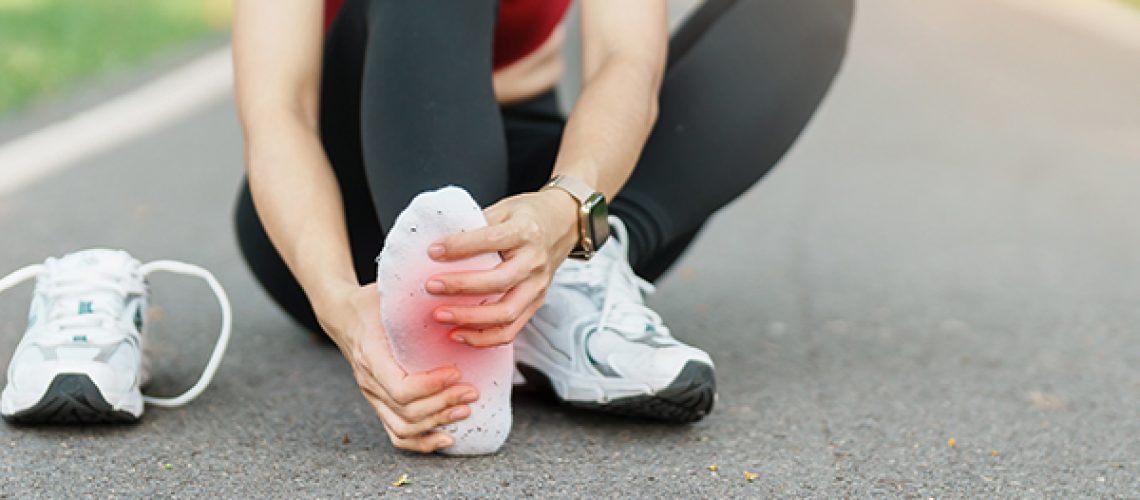
You’ve been dealing with heel pain for a while now. Maybe you’ve tried resting it, icing it, or pushing through it. But the pain keeps coming back — and some days it feels like it’s getting worse, not better. The frustrating truth is that many people unknowingly do things every day that aggravate their plantar fasciitis and slow down recovery.
If your heel pain isn’t improving the way you hoped, one or more of these five things could be the reason why.
1. Walking Barefoot on Hard Floors
It feels harmless. You wake up, swing your legs out of bed, and walk to the kitchen without thinking twice. But for someone with plantar fasciitis, those first barefoot steps on a hard floor are some of the most damaging moments of the day.
When you walk barefoot, your foot has no arch support, no cushioning, and no shock absorption. Every step places the full force of your body weight directly onto an already inflamed and compromised plantar fascia. Hard surfaces — tiles, hardwood, concrete — amplify this impact even further.
This is especially damaging in the morning, when the plantar fascia has tightened overnight and is at its most vulnerable. That stabbing pain you feel with your first steps isn’t just discomfort — it’s your fascia being abruptly stretched under full load before it has had a chance to warm up.
What to do instead: keep supportive footwear — slippers with arch support or cushioned shoes — right beside your bed and put them on before your feet touch the floor. It sounds like a small change, but it makes a significant difference in how the tissue is loaded throughout the day.
2. Wearing the Wrong Footwear
Your shoes matter more than most people realise when it comes to plantar fasciitis. Footwear that is worn out, too flat, too rigid, or simply not suited to your foot type can place enormous stress on the plantar fascia with every single step.
Flat shoes with no arch support — including many popular styles like ballet flats, flip flops, and minimalist sneakers — force the plantar fascia to do all the work of supporting your arch without any help. Over time, this constant overloading leads to the micro-tearing and inflammation that defines plantar fasciitis.
High heels create a different problem. They shorten and tighten the calf muscles and Achilles tendon over time — and tight calves are one of the leading contributors to plantar fasciitis. When the calf is tight, it pulls on the heel bone, which in turn increases the tension on the plantar fascia from above.
Old, worn-out shoes are equally problematic. Even a good quality shoe loses its structural support and cushioning over time. If you’ve had your everyday shoes for more than a year and you’re on your feet regularly, the support they once provided is likely gone.
What to do instead: invest in supportive footwear with good arch support and adequate cushioning. If you’re unsure what suits your foot type, our team at Osteo Health Calgary can guide you as part of your treatment plan. Some clients also benefit from supportive insoles, though we always address the underlying tissue and mechanical issues first.
3. Tight Calves and a Neglected Achilles Tendon
This is one of the most overlooked contributors to plantar fasciitis — and one of the most important to address.
Your calf muscles, Achilles tendon, and plantar fascia are all part of the same interconnected chain of tissue running down the back of your lower leg and along the bottom of your foot. When the calves are tight — which is extremely common in people who sit for long periods, wear heels regularly, or are physically active — the tension travels down through the Achilles and directly into the heel bone.
This increased pulling force on the heel amplifies the stress on the plantar fascia with every step. If you’re treating your foot but ignoring your calves, you’re addressing the symptom while leaving the cause completely untouched.
Tight calves also limit ankle mobility, which changes the mechanics of how you walk. When the ankle can’t move freely, other structures — including the plantar fascia — have to compensate, increasing their load and their risk of injury.
What to do instead: regular calf stretching and ankle mobility work is an essential part of plantar fasciitis recovery. At Osteo Health Calgary, our Massage Therapists and Osteopaths work directly on the calves, Achilles, and plantar fascia to release this tension as part of every treatment session. We also provide home-care stretching routines to support your progress between appointments.
4. Returning to High-Impact Activity Too Soon
When the pain eases up, it’s tempting to jump straight back into running, sport, or high-intensity training. This is one of the most common reasons people end up stuck in a cycle of improvement followed by sharp setbacks.
A reduction in pain does not mean the tissue has healed. Plantar fasciitis involves real structural damage to the fascia — micro-tears that require time and the right conditions to repair properly. When you load that tissue too hard, too soon, before it has adequate tensile strength, you reopen those tears and restart the inflammatory cycle.
High-impact activities like running, jumping, and court sports place enormous repetitive stress on the plantar fascia. Even a short run on a day when you feel good can set your recovery back by weeks if the tissue isn’t ready for that level of demand.
What to do instead: a gradual, structured return to activity is essential. Low-impact movement — walking, swimming, cycling — is generally safe and actually supports healing by promoting circulation. Our team at Osteo Health will guide you on exactly when and how to reintroduce higher-impact activities based on how your tissue is responding to treatment. Rushing this phase is one of the most costly mistakes you can make.
5. Ignoring It and Hoping It Goes Away
This one may be the most damaging of all — not because of what you’re doing, but because of what you’re not doing.
Plantar fasciitis is not a condition that typically resolves with time alone, particularly once it has become persistent. Every day that the underlying causes go unaddressed — the tight calves, the poor footwear, the compromised tissue mechanics — is another day the fascia is being stressed and re-injured. What starts as manageable morning pain can progress into constant heel pain, restricted mobility, and eventually the formation of a heel spur — a bony calcium deposit that develops when plantar fasciitis becomes chronic.
Heel spurs are harder to treat, take longer to recover from, and can cause a different and often more persistent type of pain. They are largely preventable with early, appropriate treatment.
There is also the issue of compensation. When your heel hurts, your body instinctively shifts weight and alters your gait to protect the painful area. Over time, this can lead to knee pain, hip tightness, and lower back problems — all stemming from an untreated foot condition.
What to do instead: seek a proper assessment and start a structured treatment plan. The earlier you address plantar fasciitis, the faster and more completely you recover.
How Osteo Health Calgary Can Help
At Osteo Health Calgary, we treat plantar fasciitis using a multi-modal approach that addresses all of the factors discussed above — not just the pain in your heel. Our combination of Shockwave Therapy, Osteopathy, Massage Therapy, and Acupuncture works together to reduce inflammation, release tight tissue, restore healthy foot mechanics, and support lasting recovery.
Shockwave Therapy is included at no extra cost with Osteopathy and Massage Therapy, and most treatments are covered under extended health benefit plans. Our experienced team creates a personalised plan based on your specific symptoms, activity level, and goals — because no two cases of plantar fasciitis are exactly alike.
Most clients notice a real improvement within 1–2 sessions. A full structured program of 4–6 weekly treatments delivers the predictable, lasting results that rest and home remedies alone simply cannot.
👉 Learn more about our plantar fasciitis and heel spur treatment in Calgary
Frequently Asked Questions
Q1: Can the wrong shoes really cause plantar fasciitis? Absolutely. Footwear is one of the leading contributors to plantar fasciitis. Shoes that lack arch support, have worn-out cushioning, or don’t suit your foot type change how load is distributed across the plantar fascia with every step. Over time, this repetitive stress leads to micro-tearing and inflammation. Changing your footwear is an important part of both treatment and prevention.
Q2: How do I know if my calves are contributing to my heel pain? A common sign is reduced ankle flexibility — if you struggle to bring your toes toward your shin without your heel lifting off the ground, your calves are likely tight. You may also notice your heel pain is worse after periods of inactivity or first thing in the morning. Our practitioners assess calf and Achilles tightness as a standard part of every plantar fasciitis evaluation at Osteo Health Calgary.
Q3: Is it safe to keep exercising with plantar fasciitis? Yes — with modifications. Low-impact activities like walking, swimming, and cycling are generally safe and can support recovery by promoting healthy circulation to the injured tissue. High-impact activities like running, jumping, and court sports should be reduced or avoided until the tissue has adequately healed. Our team will guide you on what to continue and what to modify based on where you are in your recovery.
Q4: How long will it take to recover if I start treatment now? Most clients at Osteo Health Calgary experience noticeable improvement within the first 1–2 sessions. A full structured program of 4–6 weekly treatments typically delivers lasting results, including reduced morning pain, improved mobility, and a return to normal activity. Chronic or long-standing cases may require additional time, but recovery is absolutely achievable with the right approach and consistency.