
It’s one of the first questions people ask when heel pain strikes. You rest it, you stay off your feet for a few days, maybe you ice it — and you hope it just goes away on its own. Sometimes it does ease up. But more often than not, it comes back. And each time it returns, it tends to be a little worse than before.
So can plantar fasciitis actually heal on its own? The honest answer is: sometimes, but rarely, and almost never without making real changes to the habits and mechanics that caused it in the first place.
The Case for Natural Recovery
Mild, early-stage plantar fasciitis — caught within the first few weeks of onset — can sometimes improve with rest, stretching, and lifestyle modifications. If the condition was triggered by a sudden change in activity, like starting a new exercise routine or spending a week on your feet during a vacation, and you address it quickly, the inflammation may settle on its own.
But this is the exception, not the rule. Most people who develop plantar fasciitis don’t catch it in those early days. By the time the pain is consistent enough to take seriously, the condition has usually progressed beyond the point where rest alone will fix it.
Why Rest Alone Is Usually Not Enough
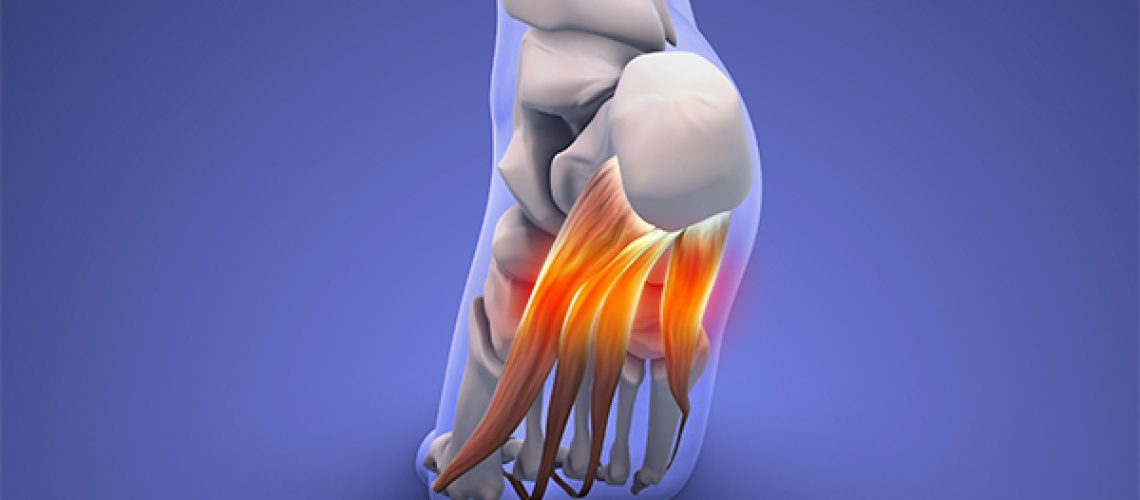
Here’s the problem with simply waiting it out. Plantar fasciitis is not just inflammation — it involves micro-tearing of the plantar fascia tissue, changes in how surrounding muscles and tendons function, and often underlying structural issues with foot mechanics, calf tightness, or gait patterns. Rest may reduce the acute pain temporarily, but it does nothing to address these root causes.
When you return to your normal routine — standing, walking, working — the same stresses are applied to the same compromised tissue. The cycle of micro-tearing and inflammation begins again. This is why so many people describe living with plantar fasciitis for months, even years, with pain that fluctuates but never fully resolves.
There is also the risk of compensation. When one part of your body hurts, you naturally shift your weight and change how you move to protect it. Over time, these compensatory patterns can lead to pain in the knees, hips, and lower back — turning what started as a foot problem into a much broader issue.
When It Becomes Chronic
Chronic plantar fasciitis — generally defined as lasting more than three months — is significantly harder to treat than an acute case. The tissue undergoes degenerative changes, the inflammation becomes embedded in the structure of the fascia, and the body may begin depositing calcium at the heel bone in response to the chronic pulling of the fascia. This calcium buildup is what forms a heel spur.
Heel spurs are a direct consequence of untreated or poorly managed plantar fasciitis. Once a spur has formed, treatment becomes more complex, recovery takes longer, and the risk of long-term structural damage increases. This is one of the most important reasons to seek proper care early — not to wait and see.
What Actually Helps It Heal
Genuine recovery from plantar fasciitis requires treating both the symptoms and the underlying causes. This means reducing inflammation, repairing damaged tissue, releasing the tight structures that are pulling on the fascia, and restoring healthy movement patterns so the problem doesn’t return.
At Osteo Health Calgary, our approach combines four clinically proven therapies into a structured treatment program designed to deliver lasting results — not just temporary relief.
Shockwave Therapy
Shockwave therapy is one of the most effective tools available for plantar fasciitis treatment. It works by delivering focused acoustic waves to the affected tissue, stimulating blood flow, breaking down scar tissue, reducing chronic inflammation, and triggering the body’s natural healing response. It is particularly effective for cases that have become chronic and have not responded to rest or basic home care. Best of all, shockwave therapy is included at no extra cost with Osteopathy and Massage Therapy at our clinic.
Osteopathy
Osteopathic treatment addresses the structural mechanics that contribute to plantar fasciitis. Our experienced osteopaths assess the foot, ankle, calf, and lower limb as a whole — identifying restrictions in movement, muscle imbalances, and postural patterns that place excess stress on the plantar fascia. By releasing soft tissue tension and restoring proper range of motion, osteopathy helps the body heal more efficiently and reduces the likelihood of recurrence.
Massage Therapy
Targeted massage therapy works directly on the muscles, tendons, and fascia of the foot, calf, and Achilles tendon. Tight calves are one of the most common contributing factors to plantar fasciitis, as they increase the tension pulling on the heel. Releasing this tension reduces the strain on the plantar fascia, improves circulation to the injured tissue, and prepares the foot for shockwave treatment.
Acupuncture
Acupuncture supports healing by reducing pain and inflammation, improving local blood circulation, and releasing deep fascial and muscular tension. It also helps regulate the body’s stress and pain response, which is particularly valuable for people who have been living with chronic heel pain for an extended period.
What Our Treatment Program Looks Like
We recommend a structured program of minimum 4–6 weekly treatments for predictable, lasting improvement. Most clients notice a meaningful reduction in pain after just one or two sessions, with continued gains in mobility and function over the following weeks.
Our team at Osteo Health creates a personalized plan based on your specific symptoms, activity level, work demands, and how long you have been dealing with the pain. No two cases are identical, and your treatment plan shouldn’t be either.
The Bottom Line
Plantar fasciitis can sometimes resolve on its own in the very early stages — but for the vast majority of people, waiting it out means weeks or months of unnecessary pain, the risk of developing a heel spur, and a condition that becomes progressively harder to treat. The longer it goes unaddressed, the longer recovery takes.
The good news is that with the right treatment approach, most people experience significant improvement quickly — and full recovery is absolutely achievable. You don’t have to accept heel pain as part of your daily life.
Ready to Stop Waiting and Start Healing?
At Osteo Health Calgary, we have been helping people across South Calgary recover from plantar fasciitis and heel pain since 2018. Our clinic offers a calm, supportive environment, personalized care, and direct online booking 24/7. Treatments are covered under most extended health benefit plans.
If your heels hurt in the morning, if standing has become something you dread, or if you’ve been managing this pain for longer than you should have to — it’s time to get the right help.
👉 Book your appointment and learn more about our plantar fasciitis and heel spur treatment
Frequently Asked Questions
Q1: How long does plantar fasciitis last if left untreated? Without proper treatment, plantar fasciitis can last anywhere from several months to several years. Chronic cases lasting more than three months are common in people who rely on rest alone. Over time, the condition can worsen, lead to the formation of a heel spur, and cause compensatory pain in the knees, hips, and lower back.
Q2: What is the fastest way to heal plantar fasciitis? The fastest results come from a multi-modal treatment approach that addresses both the symptoms and root causes simultaneously. At Osteo Health Calgary, combining shockwave therapy with osteopathy or massage therapy and acupuncture has consistently produced faster recovery than any single treatment alone. Most clients notice improvement within 1–2 sessions.
Q3: Can stretching alone fix plantar fasciitis? Stretching — particularly of the calves, Achilles tendon, and plantar fascia — is an important part of recovery and home care. However, stretching alone is rarely sufficient to resolve the condition, especially in chronic cases. It works best as a complement to professional treatment, not a substitute for it.
Q4: Will plantar fasciitis come back after treatment? With the right treatment and follow-through, recurrence is uncommon. The key is addressing the underlying causes — not just the pain. At Osteo Health, we also guide clients through a maintenance phase that includes periodic treatment, home exercises, and footwear recommendations to support long-term recovery and reduce the risk of flare-ups.