
If your first steps out of bed feel like walking on glass, you’re not alone — and you’re not imagining it.
That sharp, stabbing heel pain in the morning is one of the most common signs of plantar fasciitis, and there’s a clear reason it peaks right after you wake up.
Here’s what’s happening: While you sleep, your foot rests in a relaxed, slightly pointed position. During this time, the plantar fascia — the thick band of tissue running along the bottom of your foot — tightens and begins to repair micro-tears from the day before. The moment you stand up, that tight tissue is suddenly stretched under your full body weight, causing those first painful steps.
As you move around and the tissue warms up, the pain often fades. But don’t mistake that for healing — it usually returns after long periods of sitting or standing.
What makes morning heel pain worse:
- Tight calf muscles and Achilles tendon
- Walking barefoot on hard floors
- Flat feet or high arches
- Long hours on your feet at work
- Poor or worn-out footwear
The good news? Morning heel pain responds very well to the right treatment — and it doesn’t have to be your new normal.
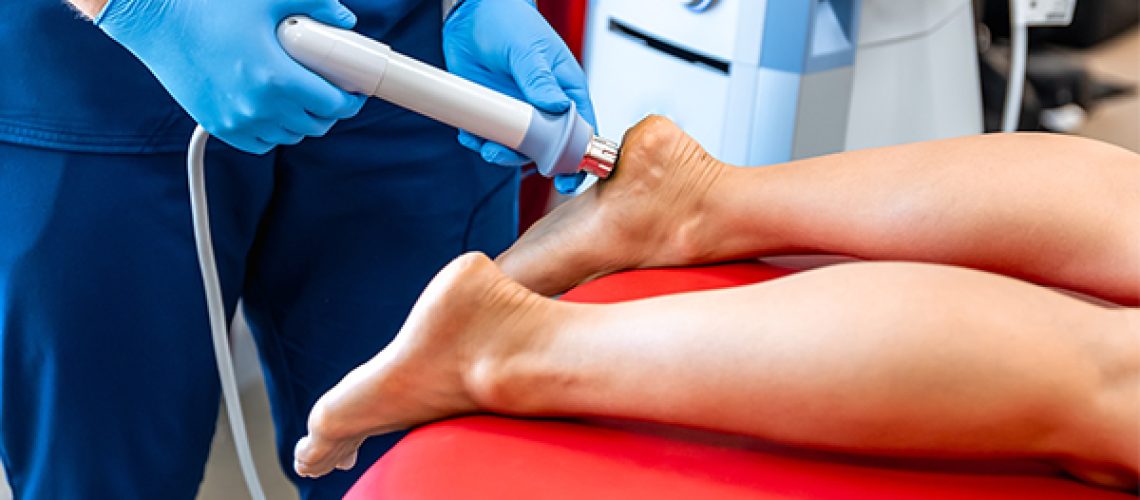
At Osteo Health Calgary, we treat plantar fasciitis using a proven combination of Osteopathy, Massage Therapy, Acupuncture, and Shockwave Therapy — addressing both the pain and the root cause. Most clients notice a difference within the first 1–2 sessions. Book treatment now.
Frequently Asked Questions
Q1: Why does the pain ease up after I walk around for a bit? As you move, blood flow increases and the plantar fascia gradually stretches and loosens. This temporary relief is the tissue warming up — not a sign that it’s healed. The pain typically returns after rest because the cycle repeats every time the fascia tightens up again.
Q2: Will morning heel pain go away on its own? Mild cases sometimes improve with rest, but most cases of plantar fasciitis require proper treatment. Without addressing the root cause — such as tight calves, poor foot mechanics, or chronic inflammation — the pain can persist for months or even years and may develop into a heel spur.
Q3: How many treatments does it take to feel better? At Osteo Health, we recommend a structured program of 4–6 weekly treatments for lasting results. Most clients experience noticeable pain reduction after just 1–2 sessions, with continued improvement in mobility and function over the following weeks.
Q4: Is plantar fasciitis treatment covered by insurance? Yes, in most cases. Treatments at Osteo Health are billed under Massage Therapy, Osteopathy, or Acupuncture — all of which are covered under most extended health benefit plans. Shockwave Therapy is included at no extra cost with these treatments. We recommend checking your specific plan for coverage details.